A bright red SUV electric car parked on a snowy road in front of traditional wooden houses in winter.

Beat the freeze: Cold weather care for your EV

Your electric Volkswagen is built to handle cold weather with confidence. 

It’s designed to perform in all conditions. With a little extra care, your Volkswagen EV will perform even better. As temperatures dip and turn the country into the winter wonderland we’re all familiar with, things like battery performance, charging speed, and overall condition can be affected. With a few smart habits and helpful tools (like the myVW app), you can make the most of your EV’s power and comfort—so you can enjoy winter without worry.

It’s just science—batteries don’t like the cold.

Your EV’s battery uses lithium-ion cells to store and deliver energy. Inside the battery, lithium ions move back and forth to keep the system balanced while electrons flow through the vehicle’s circuits.

What counts as “cold” for a high-voltage battery might surprise you—anything below about 22°C can start to slow down those ions. In Canada, where winter temperatures can easily dip well below freezing, this effect can be more noticeable: charging can take longer, power delivery may be less efficient, and range can be reduced until the battery warms up.
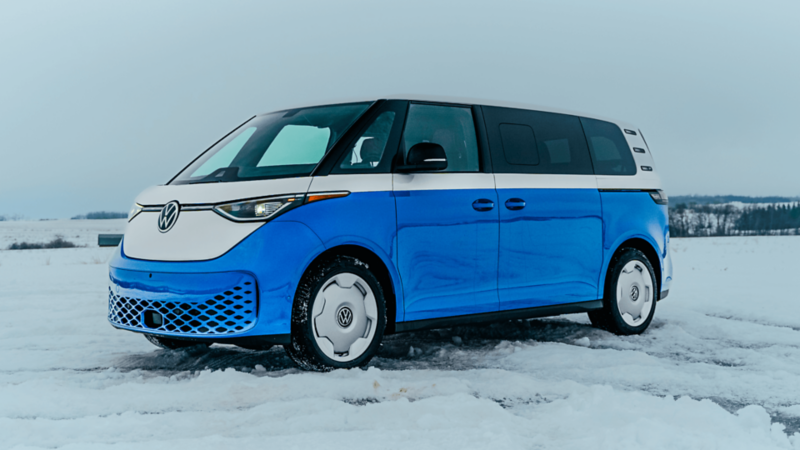
A blue and white two-tone Volkswagen ID. Buzz van parked on a snowy road with a winter landscape in the background.

Help your battery brave the storm:

  • Icon of a clock next to a battery with three full bars, symbolizing charging time or battery life.

    Precondition your vehicle

    by turning on the heat climate function while it’s plugged in to warm the cabin and battery before driving. This uses energy coming from the charger rather than the battery itself.

    TIP: Schedule preconditioning in the myVW app or activate it from the vehicle infotainment screen.

  • Outline icon of a house with a garage door and a circular window above it.

    Park indoors or in a covered space

    to shield the vehicle from extreme cold and icy conditions. If neither of these are an option, you may consider using a weather-appropriate car cover.

  • A graphic showing a battery with three blue bars, labeled "Parked and unused, Charge between 30-80%".

    Keep your battery above 20%

    to help maintain consistent and optimal performance of the vehicle and its systems, such as Regenerative Braking (B mode). While this mode can still function below 20%, its effectiveness could be reduced depending on the battery temperature and charge level. 

Plan your charging ahead of time

Graphic: Red electric car and a dotted route from "From Toronto" to a map pin labeled "To Windsor 369 km".

We know that cold temperatures slow down lithium ions, which then affects how quickly energy can flow into the battery, which also means charging—especially fast charging—may take longer than usual.

So what can you do?

  • Charge overnight with a Level 1 or Level 2 Charger, so your EV is ready to go in the morning, when temperatures are typically lowest.
  • Allow extra time for charging during road trips or when using public chargers in cold weather.
  • Use scheduled charging in the myVW app to start charging closer to your departure time. This not only takes advantage of off-peak electricity rates but also helps the battery warm gradually as it charges.

For most 2024 and newer Volkswagen EV models, you can enable Battery Optimization to help prepare the high-voltage battery for DC fast charging. This feature is designed to be used right before charging with a fast charger and can be managed in the Charging Settings menu.

You have two options:

Manual activation: Turn it on in the infotainment system before arriving at the charger.

Automatic activation: If you set an active route to a DC fast charging station in the navigation system, the vehicle will automatically begin preheating the battery on the way.

TIP: If the battery is already at its optimal temperature, the Battery Optimization option may not appear in the infotainment menu, as no additional preheating is needed.

Be clever about climate control

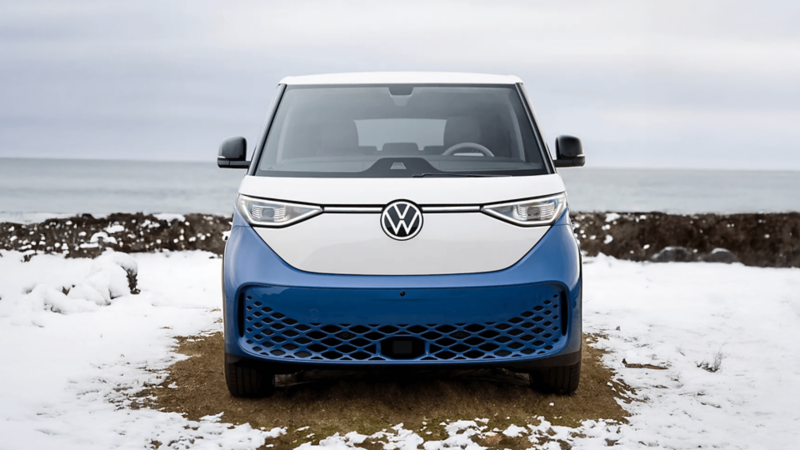
Front view of a blue and white VW ID. Buzz parked on snowy ground near water.

Heating and cooling any vehicle requires energy. For EVs, that energy comes from the high-voltage battery and can reduce your driving range—so make sure to find a good balance. Aside from bundling up in colder weather, here are a few smart ways to stay warm while conserving energy:
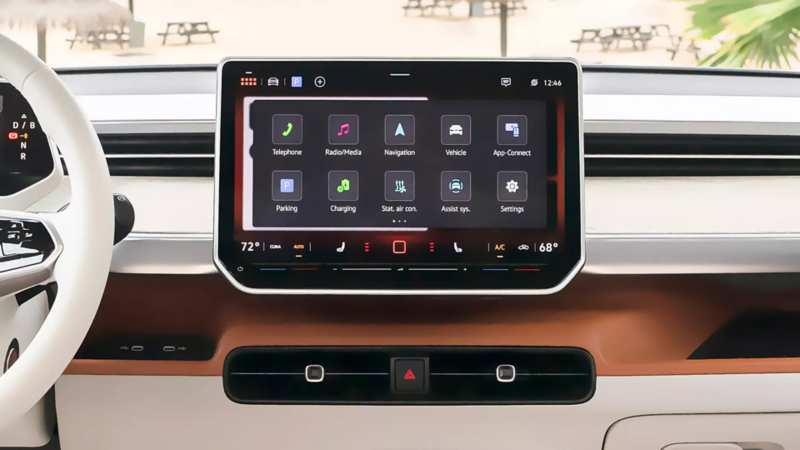
Car interior showing a large infotainment screen with various apps like Navigation and Charging, and digital climate controls at the bottom.
Use auto climate to regulate cabin temperature and avoid unnecessary heating cycles.
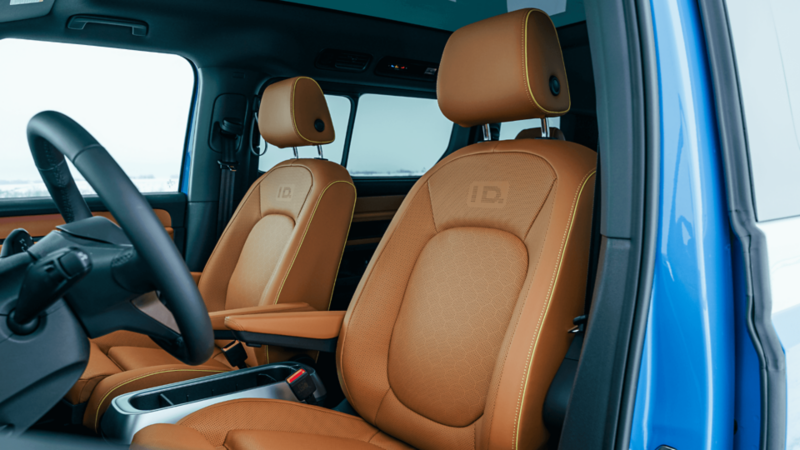
Interior view of a car with light brown leather front seats, yellow stitching, and "ID." embossed on the headrests.
If equipped, opt for heated seats or steering wheel instead of max heat and fan speeds.
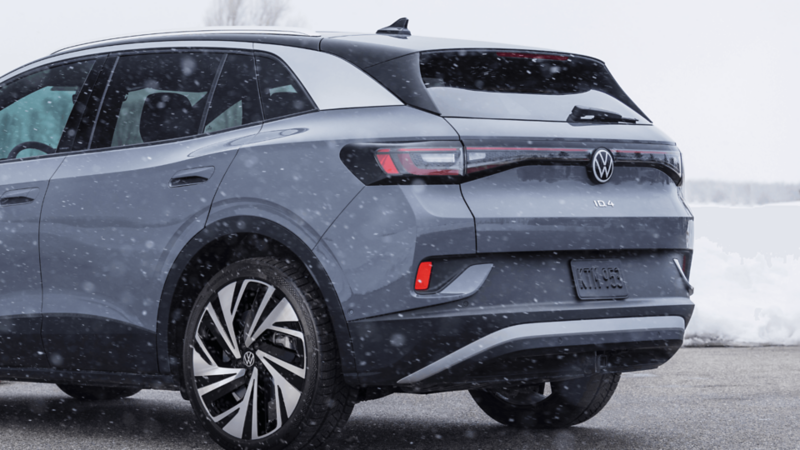
Rear three-quarter view of a grey Volkswagen ID.4 SUV driving in snowy conditions, showing the taillights and wheels.
Preheat while plugged in, as mentioned earlier, to save battery power.

Use the myVW app to your advantage

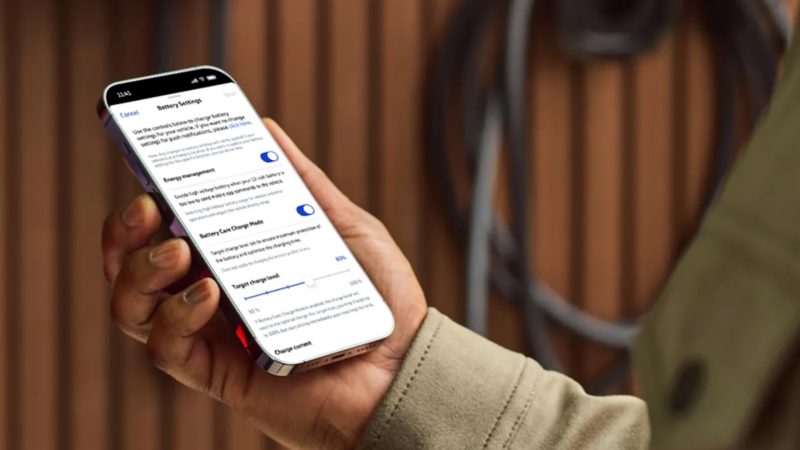
Your EV also uses a 12‑volt battery to power essential systems and start the vehicle before the high‑voltage battery takes over. Just like in gas vehicles, cold weather can slow the 12-volt battery’s chemical reactions, which reduces its ability to hold a charge and deliver power. And if your vehicle sits unused for an extended time, especially in cold weather, this can lead to the 12-volt battery losing charge.

Turning on the Energy Management feature in the myVW app can help by allowing your vehicle to draw energy from the high‑voltage battery instead of the 12-volt battery when needed, so your vehicle stays responsive for remote commands.
Keep it clean through the cold

Buildup from ice, snow, and other road debris (like dirt and salt) isn’t just annoying to look at—it affects your vehicle’s health, longevity, and driving performance. It can interfere with your driver assistance systems by blocking various sensors and cameras. And most importantly, it could affect your visibility while driving.

Apart from monitoring your local weather forecast, here are some other things you can do:

  • An icon showing a car's windshield with two wiper blades, representing windshield wipers or climate control.

    After parking, place your windshield wipers in service mode

    to prevent them from freezing to the windshield.

  •  Icon of a fan shape representing a windshield, with water jets spraying from the top.

    Regularly check your windshield washer fluid levels 

    and when possible, refill with washer fluid rated for lower temperatures before inclement weather.

  • An outline icon of a cars rearview camera washer.

    Use the rearview camera washer function 

    to keep your EV’s rear camera clean.

  • Icon of a fan shape representing a windshield, with three wavy arrows pointing upwards, indicating defrost.

    If equipped, use the heated windshield 

    to help you clear ice and snow.

  • Outline icon of a car wheel or tire with six spokes radiating from the center.

    Check your tire pressure often

    cold air can cause it to drop.

  • An outline icon depicting a car door, potentially indicating an open door warning or a door-related control.

    When possible, keep door handles clean and dry 

    (especially after snow or freezing rain), as this can help prevent them from freezing.

    TIP: If you find yourself with frozen doors, don’t force them open. Use remote preconditioning to warm the vehicle and gently melt the ice.

Hibernation tips for your EV

Vehicles are meant to be driven. But if you need to park your EV for a few days or weeks, here’s how to keep it winter-ready:

  • Keep it plugged into an AC charger (Level 1 or 2) to maintain battery health.
  • Set a charge limit (around 80%) to avoid overcharging.
  • As noted earlier, avoid deep discharge—try not to let the battery drop below 20%, especially in extreme cold.
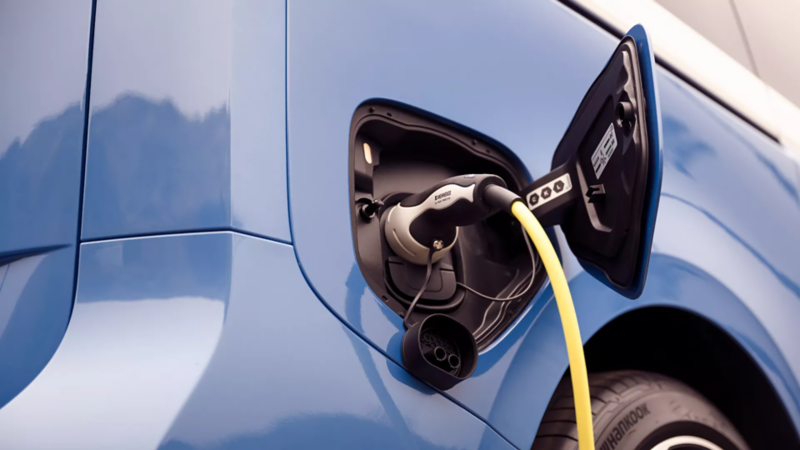
Close-up of a blue electric vehicle's charging port with a yellow charging cable securely plugged in.

When winter hits, you’ve got this.

With a little planning and the right tools, winter driving in your Volkswagen EV is truly a breeze–even in the harshest Canadian conditions.